

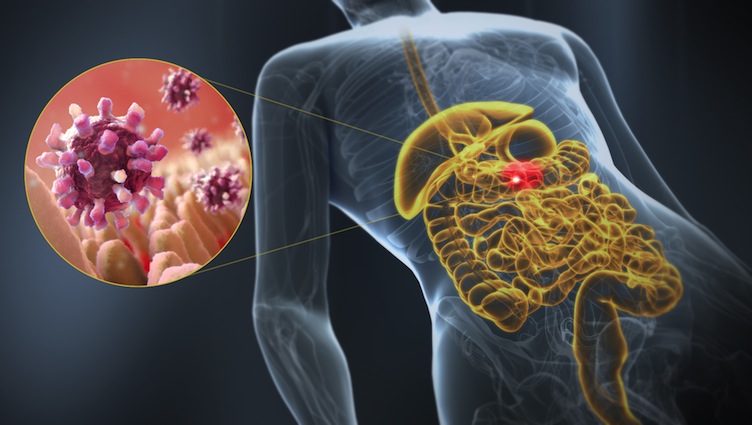
Gastroenteritis is a term used in reference to inflammation in your stomach and intestine. Inflammation makes these organs feel swollen and sore, leading to symptoms of illness, like nausea, vomiting, abdominal pain and diarrhea.
Gastroenteritis often occurs when you get an infection in your gastrointestinal tract. Bacteria and viruses can cause food poisoning and stomach flu infections. There are different types of gastroenteritis you should know about.
However, infectious gastroenteritis is the most common type. It’s caused by an infection in your gastrointestinal tract. Viruses, bacteria, fungi or parasites may lead to the infection. Things tend to be different with chemical gastroenteritis since it can happen if you ingest toxic chemicals, which can contaminate food and water sources. You can also get it from heavy doses of alcohol or drugs, including some medications.
So, how common is gastroenteritis? Nearly about everyone getsgastroenteritis, likely more than once. Most of the time, it’s not that serious. But in more vulnerable populations, it can be. Around the world, gastroenteritis is a leading cause of death.
That brings us to the question; what are the signs and symptoms of gastroenteritis? Well, symptoms involving your intestines, together with symptoms involving your stomach are the hallmarks of gastroenteritis. You’ll know if it is ‘coming out both ends.’
Some of the common symptoms accompanying gastroenteritis may include diarrhea, nausea and vomiting, loss of appetite, abdominal pain and cramping, fever, chills, fatigue, and body aches. It is important to remember that gastroenteritis symptoms often come on suddenly. Gastrointestinal symptoms appear first. You might have to make do with diarrhea, stomach pain or cramps, nausea, and/or vomiting many times in a short period.
The most common types of gastroenteritis tend to last a day or two. Your body can overcome most bacterial and viral infections on its own. However, some types may last longer or need treatment to go away.
As we conclude, you should remember that gastroenteritis happens when your immune system activates to defend your stomach and intestines from harm. It sends inflammatory cells to help fight infections and repair injured tissues.
This is mostly a temporary response to a temporary threat or injury. It takes a short time to work, and then, the inflammation goes away. Longer-lasting gastroenteritis is quite rare. Either way, you should never hesitate to seek medical attention if you suspect to be having gastroenteritis.