

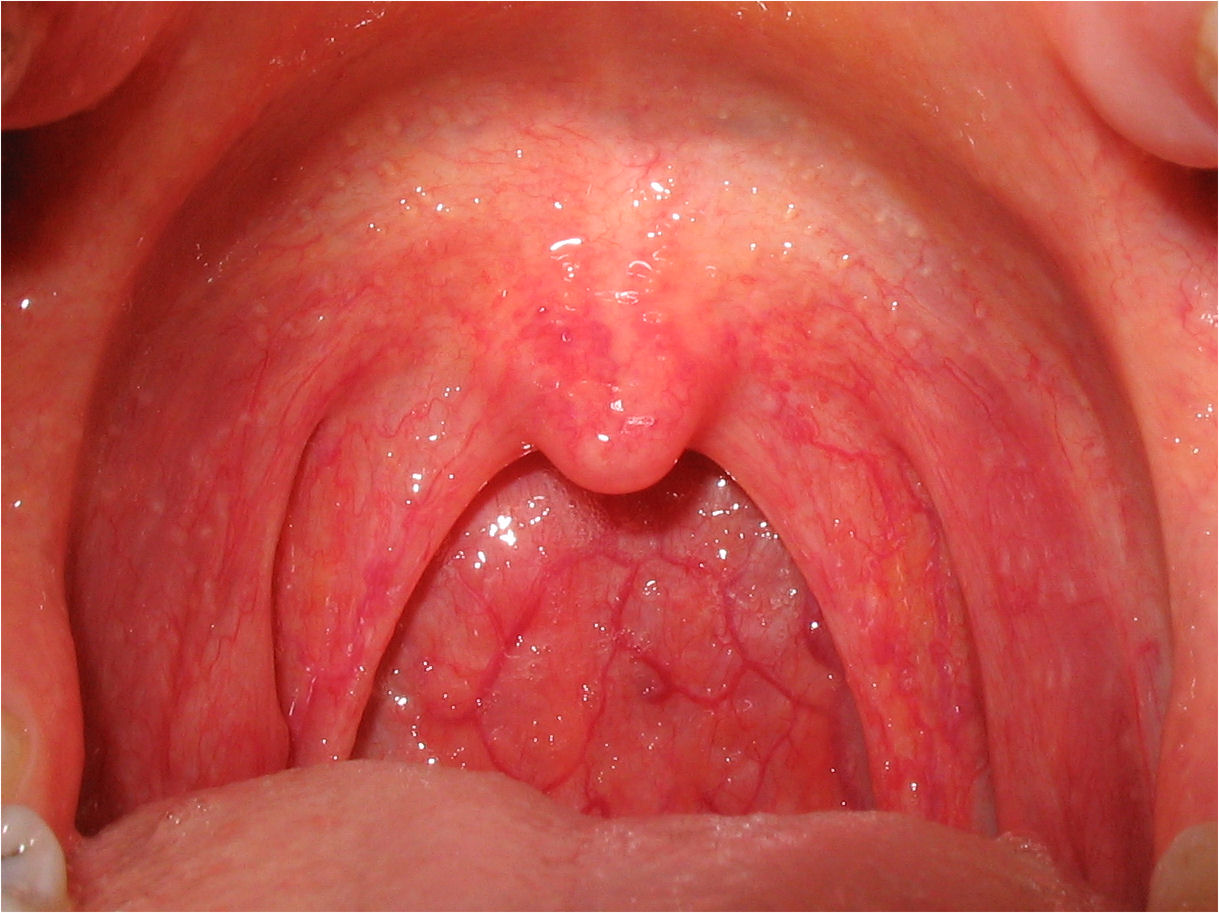
While trying to treat acute pharyngitis, indiscriminate, self-medication and inadequate compliance with the prescription made by the doctor, leads to resistance to treatment and the appearance of complications. In a nutshell, pharyngitis is a condition that leads to irritation, inflammation, or infection of the pharynx, and more so its lymphoid tissue.
As for acute pharyngitis, it is an infection caused by bacteria or viruses. In most of these instances, there is a painful enlargement of the neck nodes, since lymphoid tissue is also present. But how do you tell if you’re having acute pharyngitis?
Well, infants (3 months to 1 year) may be irritable, have sleep and feeding disorders, with irregular fever, clear, or thick nasal mucus, nasal obstruction and snoring and nostril excoriations. Very frequently, they seem enlarged the ganglions of the neck that usually are painful.
It is quite common that simultaneously an inflammation of the average ear exists. The children in school age usually convey a picture of sudden presentation, characterized by high fever, general malaise, reddening of the pharynx and sometimes the palate and the language.
Having an insight into the most commonacute pharyngitis is something you should never skimp on. Among the most common symptoms are general discomfort, fever, sore throat when swallowing, redness of the pharynx and swollen cervical nodes.
In adults, the symptoms tend to be quite similar to those experienced by school-aged children i.e. fever or febrile illness, general malaise, redness of the pharynx, presence of whitish or grayish exudate plaques on the tonsils or pharynx, and acute sore throat, to mention a few.
Before we conclude, it is important to mention that most acute pharyngitis are infectious processes, due to bacteria or viruses. Viruses can lead to 80-90% of pharyngitis in both children and adults.
Pharyngeal infections brough about by viruses can also predispose to bacterial over-infection. The viruses that most frequently produces these conditions are those that lead to common cold and flu. Some viruses cause quite typical conditions such as infectious mononucleosis or herpangina and hand-foot-mouth disease.
The diagnosis of acute pharyngitis is based on the patient’s medical history and examination. The more or less sudden presentation of the picture and its clinical traits make suspect a picture of acute pharyngitis.
On many instances, it is in your best interest to perform some laboratory tests such as hemogram, globular sedimentation rate, or determination of the level of antistreptolysins (ASLO).