

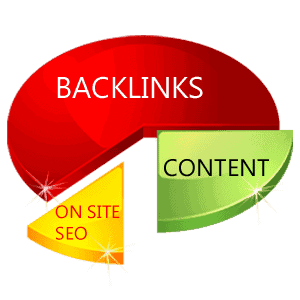
Should you still take advantage of the opportunity to buy backlinks if search engines are getting better at identifying manipulation? Webmasters, SEO experts, and business owners often deliberately discuss this contentious issue. The answer is a little different: how you define greatness in this process, who you share this load with, and your approach all have a big influence. One of the most time-consuming, manual aspects of SEO has always been building links.
Obtaining natural citations from reputable websites may require weeks of writing, networking, and follow-up. It should not be surprising that many companies believe purchasing backlinks is a simple way to hasten the growth of core authority.
Why wait months for editors to discover and mention your website when a single purchase might expose you to a reputable, well-known website almost instantly? As long as it is done ethically, buying backlinks is only a strategic investment and is not intrinsically against best practices. Search engine algorithms can quickly discern between an obtrusive, spamming pure link farm and a legitimate, editorially placed, highly relevant reference on a reputable website.
Search engines will take into account the anchor text’s relevant context variety, PageRank of the related domains, and subject relevancy. Your rankings, referral traffic, and company reputation are much more likely to be impacted by a backlink from your publisher, blog, or respectable authority site than by one from a dubious, de-indexed website that doesn’t generate any traffic that is particularly directed to the home page. Most campaigns fail when marketers don’t quickly and fully research their target providers.
Careless backlink purchasing is definitely a common mistake. If the spam filter is upgraded to stop link schemes, Google’s algorithms can quickly detect artificial link growth when a large number of inexpensive links suddenly arise from unrelated, low-authority sites. In addition to spam issues, if a company simply buys thousands of backlinks from a bulk supplier without previously doing extensive research, the anticipated results are often fleeting.
If you’re genuinely thinking about buying backlinks, there are a few broad rules that will help you differentiate between meticulous planning and careless gambling. Relevance should take precedence over quantity because ten backlinks to relevant material are far more significant than a thousand on irrelevant pages. Ask directly about placement, cloaking, and editorial penalties.
Use a range of naturally occurring anchor text rather than a bunch of the same keywords. All operational data, such as PA/DA, spam scores, incoming links, organic traffic figures, and more, should be requested beforehand. Buying backlinks is a difficult task. When seen as a thoughtful, well-researched investment rather than a band-aid fix, it can greatly raise a site’s authority profile. Years of labor are diminished by careless application. Slow and steady wins the race.